
The Different Types of Auto Glass and Their Functions
When you get into a vehicle, safety, comfort, and visibility are things you expect without even thinking about them. One of the most critical components that makes all of this possible is auto glass. From protecting passengers during accidents to enhancing driving visibility and supporting modern vehicle technology, auto glass plays a far more important role than many people realise. For vehicle owners looking for auto glass installation in Maryland, understanding the different types of auto glass and their functions can help you make informed decisions about repairs, replacements, and overall vehicle safety.
Modern vehicles use several types of auto glass, each designed for a specific purpose. Let’s explore these types in detail and understand how each one contributes to safety, durability, and driving comfort.
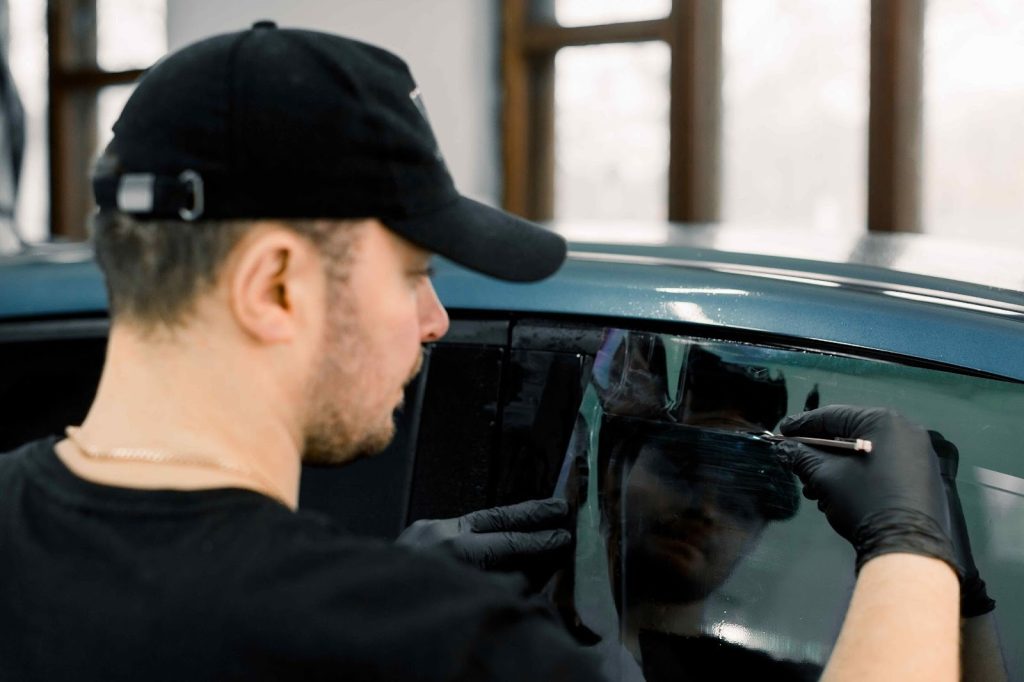
What Is Auto Glass and Why Is It Important?
Auto glass is a specialized type of safety glass used in vehicles that is engineered to withstand impact, reduce injury, and maintain structural integrity. Unlike regular glass, auto glass is treated through specific manufacturing processes that make it stronger and safer.
Auto glass is not just about visibility; it also:
- Protects passengers from wind, debris, and weather
- Supports the vehicle’s roof during rollovers
- Plays a role in airbag deployment
- Reduces noise and UV exposure
- Enhances overall vehicle aesthetics
Different areas of a vehicle require different types of glass based on safety needs and functionality.
1. Windshield Glass
Function and Importance
The windshield is the most critical piece of auto glass in any vehicle. It provides clear forward visibility while also acting as a structural component of the car. In the event of a collision or rollover, the windshield helps prevent the roof from collapsing.
Type of Glass Used: Laminated Glass
Windshields are made from laminated glass, which consists of two layers of glass bonded together with a plastic interlayer (usually polyvinyl butyral or PVB).
Key Benefits:
- Prevents shattering upon impact
- Holds glass together during accidents
- Reduces the risk of passenger ejection
- Blocks harmful UV rays
- Minimises road noise
Even small windshield chips can weaken the entire structure, which is why timely repair or replacement is essential.
2. Side Window Glass
Function and Importance
Side windows allow ventilation, visibility, and easy entry and exit from the vehicle. They also play a role in passenger safety and emergency exits.
Type of Glass Used: Tempered Glass
Most side windows are made from tempered glass, which is heat-treated to increase strength.
Key Benefits:
- Stronger than standard glass
- Breaks into small, blunt pieces instead of sharp shards
- Reduces risk of serious injury
- Allows for quick exit in emergencies
Because tempered glass shatters completely when broken, side window damage usually requires full replacement rather than repair.
3. Rear Window (Back Glass)
Function and Importance
The rear window provides visibility behind the vehicle and often includes defrosters to maintain clarity in cold or humid conditions.
Type of Glass Used: Tempered Glass
Like side windows, rear windows are usually made of tempered glass.
Key Benefits:
- Designed to shatter safely upon impact
- Integrated heating elements for defogging
- Maintains rear visibility during poor weather
- Enhances driving safety during reversing
Damage to the rear window can compromise visibility and safety, especially in bad weather conditions.
4. Quarter Glass
Function and Importance
Quarter glass refers to the small, fixed glass panels located near side windows, usually behind the rear doors or near the windshield pillars.
Type of Glass Used: Tempered or Laminated Glass
Depending on the vehicle design, quarter glass may be either tempered or laminated.
Key Benefits:
- Improves side visibility
- Enhances vehicle design and aerodynamics
- Adds structural stability to the body
- Allows more natural light into the cabin
Though small, a damaged quarter glass can affect aesthetics and security and should not be ignored.
5. Sunroof and Moonroof Glass
Function and Importance
Sunroofs and moonroofs add luxury, ventilation, and natural light to a vehicle. They enhance the driving experience and improve the interior ambience.
Type of Glass Used: Tempered or Laminated Glass
Most sunroofs use tempered glass, while panoramic roofs may use laminated glass for added strength.
Key Benefits:
- Strong resistance to impact
- UV and heat protection
- Safe shattering properties
- Enhanced comfort and style
Proper installation and sealing are critical to prevent leaks and wind noise.
6. Acoustic Auto Glass
Function and Importance
Acoustic glass is designed to reduce outside noise and improve cabin comfort, especially in luxury vehicles.
Type of Glass Used: Laminated Glass with Acoustic Interlayer
Key Benefits:
- Significantly reduces road and traffic noise
- Improves driving comfort
- Enhances in-car audio quality
- Provides better insulation
This type of glass is becoming increasingly popular in modern vehicles focused on comfort and performance.
7. Heads-Up Display (HUD) Windshields
Function and Importance
HUD windshields allow important driving information, such as speed and navigation, to be projected directly onto the glass.
Type of Glass Used: Specialised Laminated Glass
Key Benefits:
- Reduces driver distraction
- Improves safety and reaction time
- Maintains a clear image projection
- Compatible with advanced driver assistance systems (ADAS)
Replacing these windshields requires precise calibration and professional expertise.
The Role of Auto Glass in Vehicle Safety Systems
Modern vehicles rely heavily on auto glass for the proper functioning of safety systems, such as:
- Airbag deployment
- Lane departure warning systems
- Rain and light sensors
- Forward collision alerts
Improper installation or low-quality glass can interfere with these systems, increasing safety risks.
Why Professional Installation Matters?
Auto glass installation is not a simple DIY task. Proper bonding, alignment, and curing time are critical to ensure safety and performance. Incorrect installation can lead to leaks, wind noise, reduced structural strength, and malfunctioning safety features.
Choosing experienced professionals ensures:
- OEM-grade materials
- Correct adhesive use
- Accurate sensor calibration
- Long-lasting durability
Conclusion
Auto glass is far more than just transparent material it is a vital safety component that protects passengers, enhances visibility, and supports modern vehicle technology. From windshields and side windows to sunroofs and acoustic glass, each type serves a specific purpose and requires expert handling. When damage occurs, timely action and professional service are essential to maintain safety and performance. If you’re searching for reliable auto glass replacement in Maryland, choosing a trusted specialist ensures your vehicle remains safe, comfortable, and road-ready for years to come.