
Can Dust and Pollution Damage Your Car Glass?
When driving around Hyattsville or any urban environment, your car is exposed to a constant barrage of environmental elements. Among these, dust and pollution are silent but persistent threats that can cause gradual and sometimes severe damage to your vehicle’s glass surfaces. Many car owners focus primarily on mechanical maintenance but often overlook how environmental factors affect their windshields and windows.
If your car’s glass is showing signs of scratches, hazing, or reduced visibility, it may be time to consult car glass replacement in Hyattsville services. But understanding the causes and prevention techniques can help you extend the life of your car glass.
In this blog, we’ll explore how dust and pollution damage car glass, why it matters, and what steps you can take to protect your vehicle.
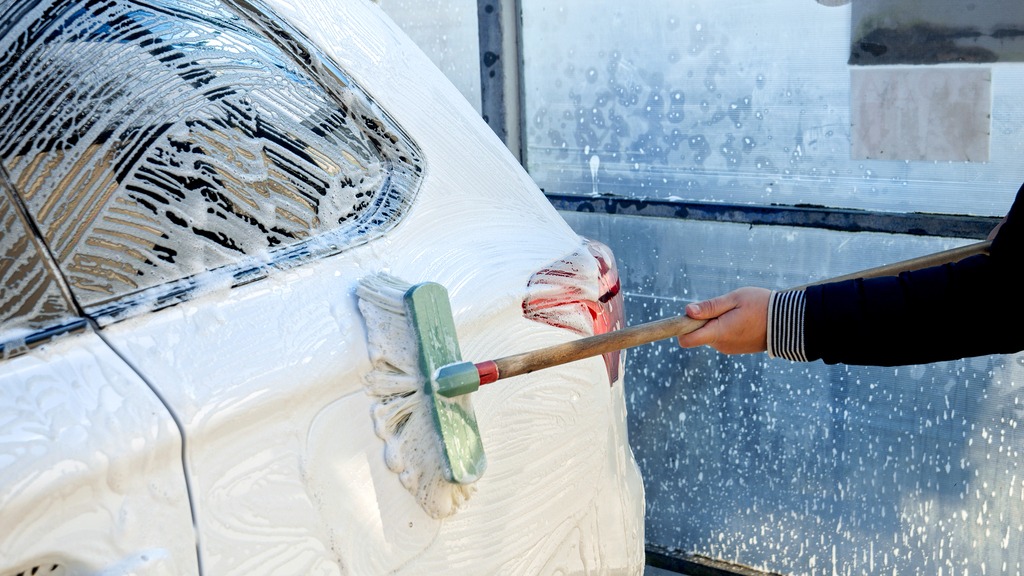
How Dust and Pollution Impact Your Car Glass?
1. Micro-Abrasions from Dust Particles
Dust is made up of tiny particles, often mixed with dirt, sand, and other debris. On their own, individual dust particles might seem harmless, but when they continuously accumulate and rub against your glass, especially during windshield wiper use, they act like a fine abrasive. Over time, this leads to the formation of micro-scratches.
These scratches are not always visible immediately but build up gradually, resulting in a cloudy or hazy appearance on the glass. This reduces your visibility, especially when driving in bright sunlight or at night with oncoming headlights.
2. Pollution Deposits and Acidic Residue
Pollution isn’t just limited to visible smog. Air pollution includes microscopic chemicals and industrial residues that settle on your car’s glass over time. These can form a thin, sticky film that is hard to remove with regular cleaning.
Additionally, acid rain caused by industrial pollution leaves behind acidic residue on the glass surface. If left untreated, the acidity can corrode the glass surface or the protective coatings, making the glass weaker, more prone to scratches, and eventually leading to structural damage.
3. Impact on Windshield Coatings
Modern car windshields often come with special coatings, such as anti-glare, hydrophobic layers, or UV-protection films. Constant exposure to pollution and dust can degrade these coatings. Once the protective layer deteriorates, your windshield becomes more vulnerable to physical damage and environmental wear, reducing its effectiveness and longevity.
Why Ignoring Dust and Pollution Can Be Costly?
At first, the effects of dust and pollution may appear minor or cosmetic. However, if left untreated, the cumulative damage can lead to:
- Reduced Visibility: Micro-scratches and haze make driving dangerous in certain conditions, especially at night.
- Structural Weakness: Corrosion of glass or coating degradation compromises the structural strength of the windshield, which is critical during accidents.
- Expensive Repairs or Replacements: Ignored damage eventually leads to the need for full glass replacement or costly professional polishing and coating services.
Most importantly, a weakened windshield no longer provides the same level of protection in the event of a collision, increasing the risk of injury.
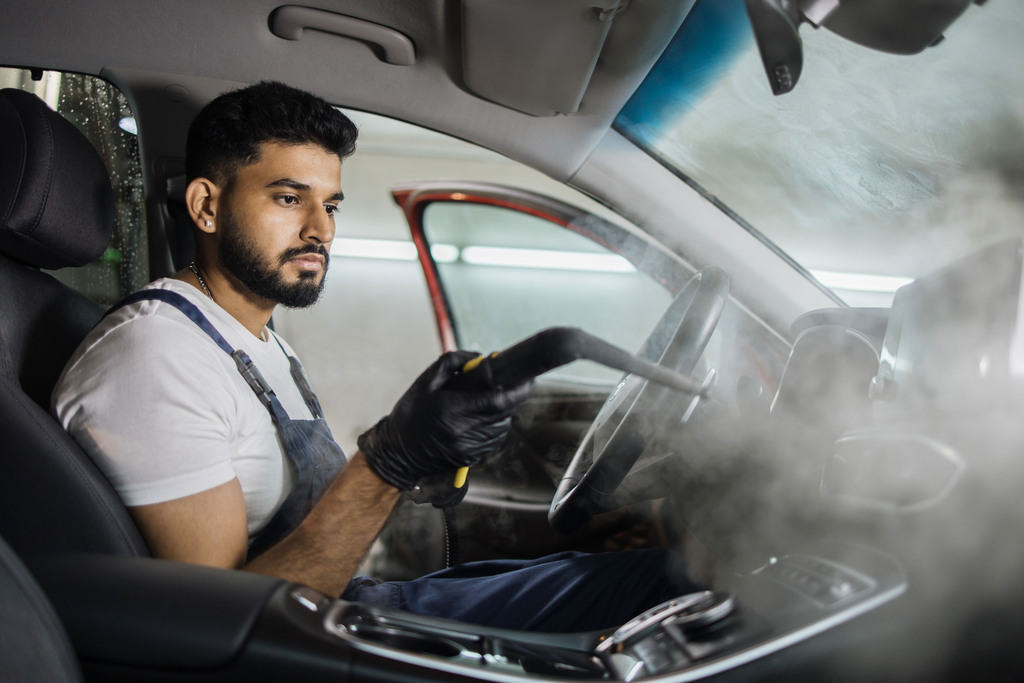
Expert Prevention Tips from Hyattsville Car Glass Specialists
1. Wash Your Car Regularly
Don’t wait for visible grime buildup. Frequent washing helps prevent the accumulation of dust and pollutants before they can embed themselves into the glass. Use mild, automotive-specific glass cleaners and soft microfiber cloths to avoid causing scratches during cleaning.
2. Avoid Harsh Chemicals
Household glass cleaners with ammonia or strong chemicals can strip away protective coatings from your windshield and windows. Instead, rely on specialized car glass cleaners designed to maintain the integrity of coatings while effectively removing pollution deposits.
3. Replace Worn Wiper Blades
Wiper blades that are damaged or old can drag accumulated dust and debris across your windshield, exacerbating micro-scratch formation. Change your wiper blades every 6–12 months to maintain smooth, scratch-free operation.
4. Apply Protective Coatings
Consider applying a hydrophobic or anti-pollution glass coating. These treatments help repel water, dust, and pollutants, making it easier to clean and reducing the risk of long-term damage.
Conclusion
Dust and pollution may seem like unavoidable nuisances of city driving, but their long-term impact on your car glass can be significant. From micro-scratches caused by dust particles to the corrosive effects of acidic residues, these invisible dangers degrade your glass over time, reducing visibility, structural integrity, and overall safety.
To maintain your windshield and windows in peak condition, regular cleaning, proper maintenance of wiper blades, and the use of specialized protective coatings are essential steps. If damage is already visible or you suspect weakened glass, do not hesitate to contact car glass replacement or car glass repair services in Hyattsville. Expert technicians can ensure your vehicle remains safe and your glass remains clear and durable for years to come.